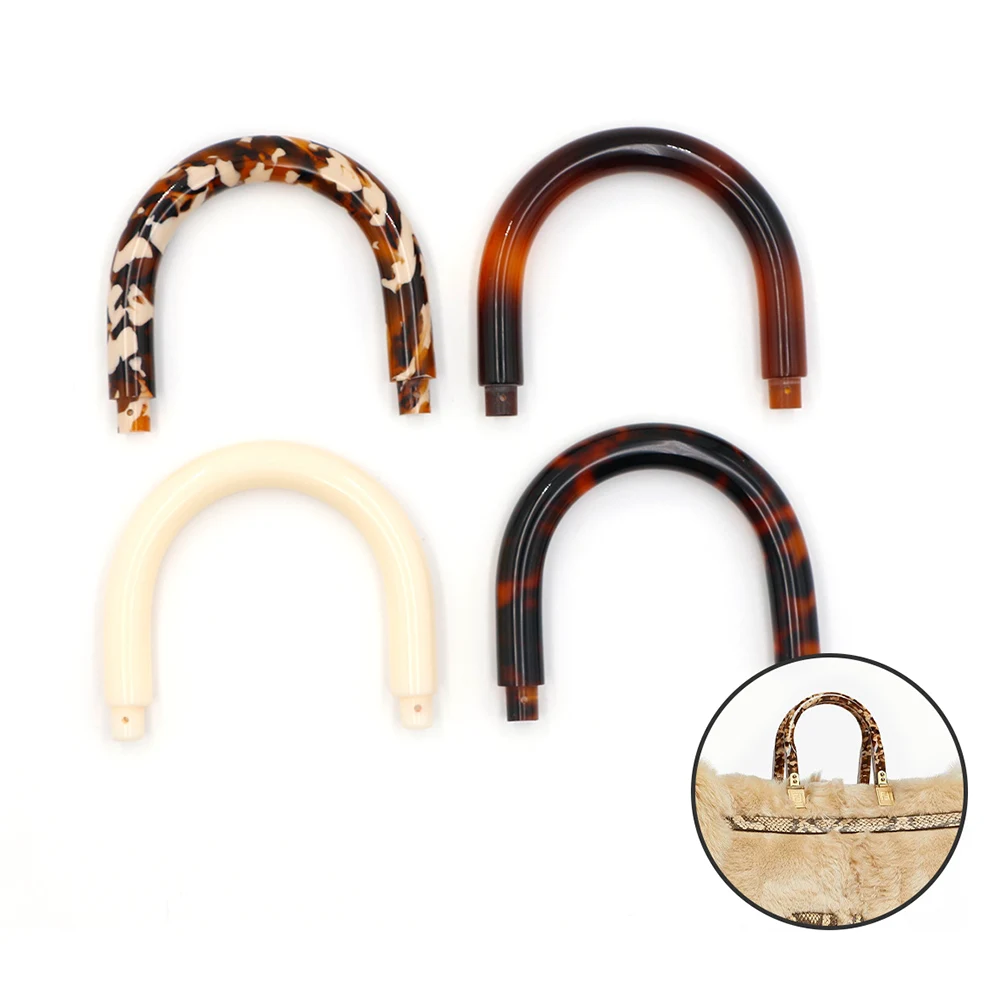
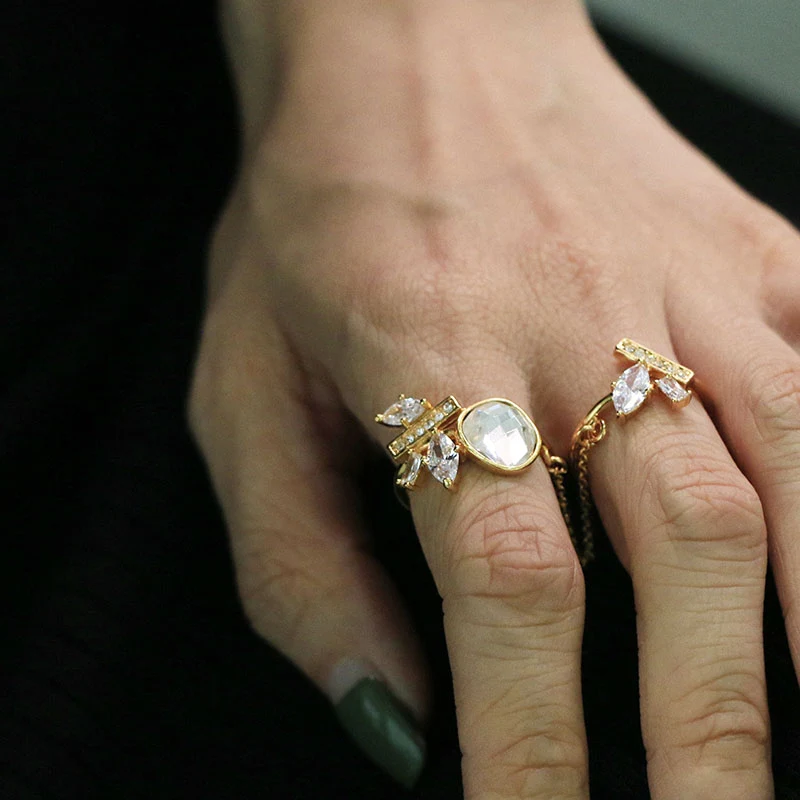
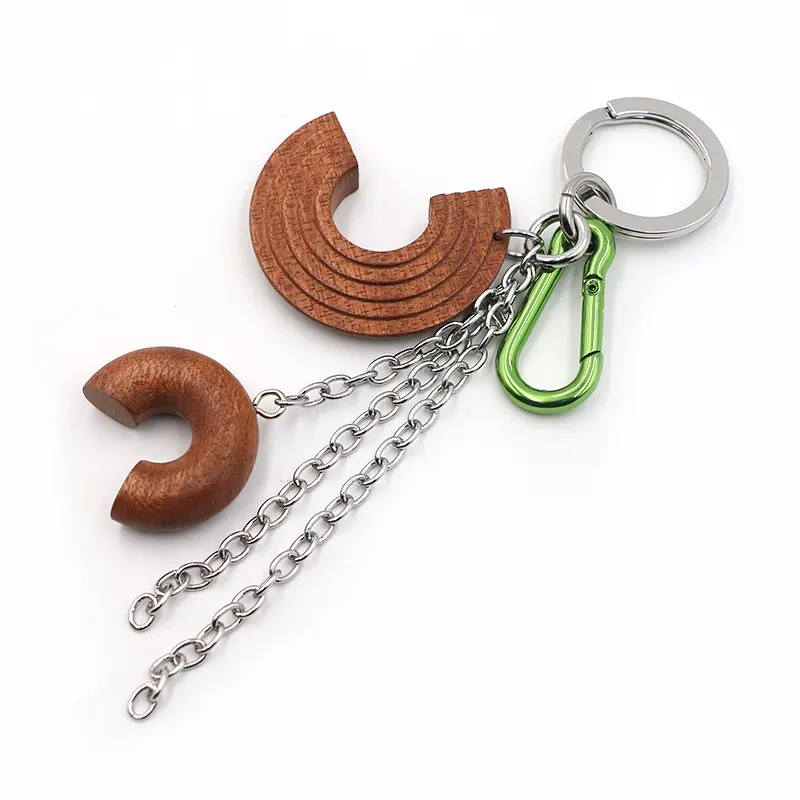
But in 2026, a quiet revolution is taking place in the fashion world. From the runways of Paris Haute Couture to the lapels of everyday commuter suits, from the trending #BroochTok hashtag on social media to noticeably rising sales figures reported by jewellery brands – the brooch, once a marginalised accessory category, is returning to the public eye with undeniable force.
Why has the brooch suddenly become so popular? How do you choose between different materials and styles? And how should you care for an expensive gemstone brooch? This article combines the latest industry trends of 2026 with practical advice to help you fully understand this comeback star.
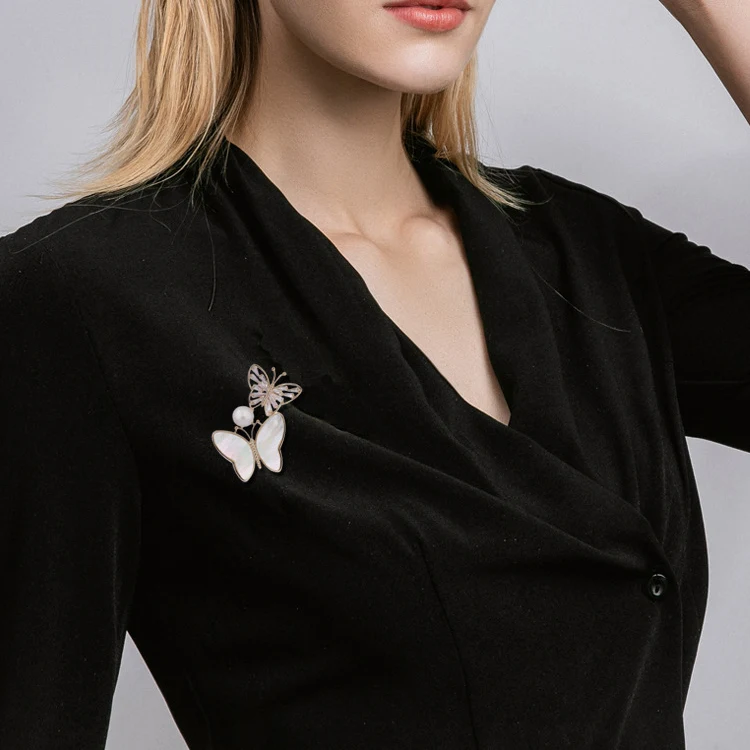
According to the latest market research, the global brooch market was valued at over US $30 billion in 2025 and is expected to reach approximately US $58.33 billion by 2035, with a compound annual growth rate of around 6.8%. Several social, cultural and consumer trends are driving this growth.
The brooch is perhaps the most "gender‑neutral" accessory in existence. It requires no pierced ears, does not depend on finger size, and demands no specific body shape. As long as there is a piece of fabric, a brooch can be placed on it.
In recent years, the trend of men wearing brooches has been particularly notable. On the red carpet at the 2026 Golden Globes, numerous male celebrities – including Colman Domingo and Ryan Coogler – used brooches to accent their suits, breaking the traditional idea that "jewellery belongs to women". Some data suggests that the number of male customers purchasing brooches has increased by approximately 40%. They no longer see the brooch as a symbol of old age, but as a modern "emblem" of personal taste and authority.
In an age of mass production, consumers increasingly long for unique forms of expression. Because it is small but visually striking, the brooch has become an excellent "emotional carrier".
Whether it is an animal motif representing a star sign (such as the lions and crabs seen on the 2026 autumn/winter runways) or a totem symbolising luck and protection (such as elephants, the tree of life or the evil eye), the brooch has become a "miniature sculpture" that allows the wearer to tell their own story. It is no longer just decoration – it is a silent language.
Influenced by the economic environment and the concept of sustainability, consumers no longer want to buy single items that sit in a jewellery box gathering dust. The functionality of the brooch has been rediscovered: it can fasten a shawl, tighten an oversized neckline, decorate an old garment, or even be worn as a hair accessory or bag charm.
As some designers have observed, clients no longer want pieces that are worn once a year – they seek versatility. The brooch perfectly meets this need. It can appear on a denim jacket, on a beanie hat, or even on a canvas tote bag.
If your impression of a brooch is still limited to "pinned to the left lapel of a suit jacket", then you are missing out on 90% of the fun. Here are the most popular creative ways to wear a brooch in 2026.
Tightening and shaping – When a jumper is too long, a shirt collar is too wide or a slip dress feels a little loose, a single brooch can solve the problem instantly. You can even gather excess fabric from a T‑shirt at the back to create a cleaner silhouette.
Securing a scarf – Instead of tying a knot, use a delicate brooch to fasten a silk or woollen scarf. It looks elegant and prevents the scarf from slipping.
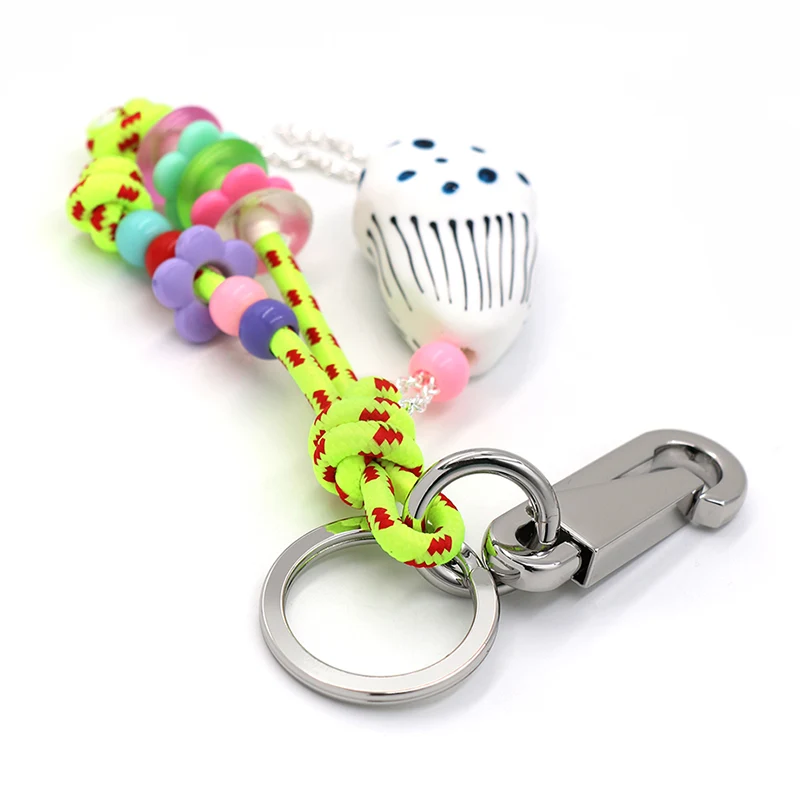
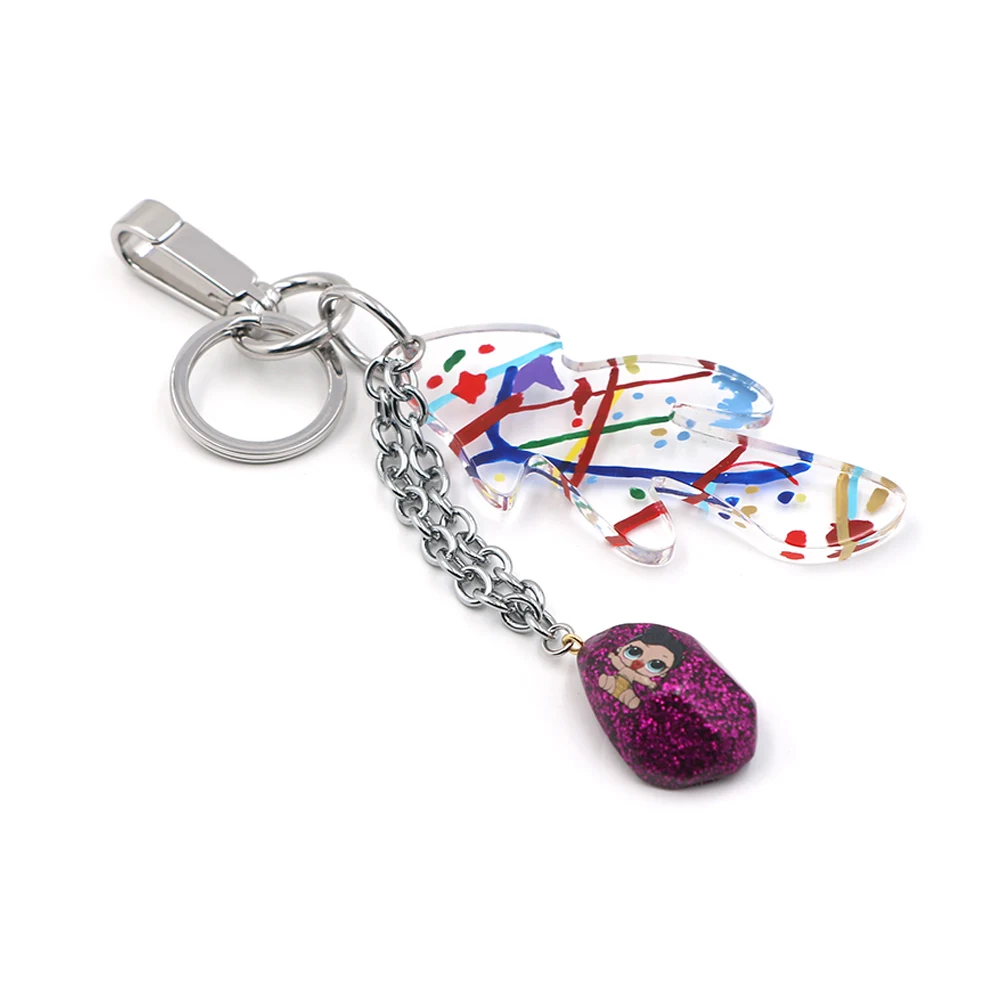
Hats and bags – Pinning a brooch to the side of a baseball cap or the brim of a wool fedora can transform an ordinary hat into something unique. For bags, a brooch is the simplest and safest personalisation tool – no holes required, and an old bag can look fresh again.
Hair accessories and shoes – Bold fashion lovers have started using brooches as hair clips, fixing them next to a bun or on a headband, and even pinning them to the uppers of flat shoes.
As the brooch market heats up, consumers face an increasing number of choices. From vintage one‑of‑a‑kind pieces costing a few dollars to high‑end jewellery costing tens of thousands, knowing how to choose and properly care for a brooch is something many people care about.
By occasion:
Daily commuting / casual wear – Choose simple geometric shapes, small animal motifs or matte metal finishes. These brooches are versatile, work well with many fabrics, and look good on jumpers, denim jackets or suit lapels.
Business / formal occasions – Choose pieces with natural gemstones (such as agate, pearl or diamond) or precious metals (such as karat gold or platinum). For a more conservative look, choose a single brooch with a symmetrical design and a moderate size.
Parties / evening events – This is the perfect time to show personality. Go for large, sculptural brooches, pieces set with sparkling crystals, brightly coloured enamel brooches, or even artistic vintage one‑of‑a‑kind finds.
Precious metals and genuine gemstones – These retain value and have excellent lustre. They are suitable as investments or heirlooms, but they are expensive and require careful maintenance.
Industry advice: When buying a brooch, always check that the pin tip is sharp and that the catch (safety clasp) spring is strong. High‑quality brooches – especially expensive gemstone brooches – usually have a double safety mechanism.
For heavy fabrics – If you are wearing the brooch on tweed, leather or a thick coat, choose a brooch with a thicker, longer pin. You can also use a "brooch anti‑slip pad" (a small silicone disc) to prevent the brooch from sagging or falling off due to gravity.
For delicate fabrics – Silk or chiffon is very fragile. If you do not want to leave pin holes in your expensive scarf or silk blouse, consider a magnetic brooch. Magnetic fasteners are readily available – they hold firmly with strong magnets, protect the fabric, and are easy to put on and remove.
This is a major concern for owners of expensive jewellery brooches. Incorrect cleaning methods – such as soaking or improper use of an ultrasonic cleaner – can loosen stones or cause oxidisation.
Daily cleaning steps:
Soft brush dusting – For surface dust, use a soft makeup brush or an artist's paintbrush to gently sweep dust out of crevices.
Gentle wiping – Mix a small amount of mild dish soap with warm water. Dip a cotton swab or soft cloth into the mixture and gently wipe the metal parts and the surface of the gemstones. Important: Do not soak the entire brooch in water. Soaking can affect the spring mechanism of the clasp and may cause the adhesive to weaken (some stones are glued in rather than set).
Rinse and dry – Wipe away any remaining soap with a soft cloth dampened with clean water. Immediately dry the brooch with a soft, dry cloth (such as a glasses cleaning cloth) and leave it in a well‑ventilated area to air dry completely.
Storage advice:
Store separately – Diamonds are extremely hard and will scratch other gemstones (such as jade or pearls). Always keep each brooch in its own compartment – either a separate jewellery box or a tray with fabric dividers.
Control the environment – Avoid storing brooches in a bathroom or basement. Damp conditions will cause silver to oxidise and turn black, and can also cause certain imitation stones (such as glass or crystal) to develop a cloudy film.
The return of the brooch is not merely a cyclical fashion trend. It is a collective vote by modern consumers for personalisation, emotional meaning and versatile products. The brooch is no longer a forgotten piece at the bottom of a grandmother's jewellery box – it is one of the most expressive accessories of 2026.
Whether you are a collector who loves fine jewellery craftsmanship or a styling enthusiast who enjoys hunting for vintage one‑of‑a‑kind pieces at flea markets, a single small brooch can give your everyday outfit the confidence to rise above the ordinary.
Next time you step out, pause in front of the mirror and ask yourself: Which brooch will I pin on today?