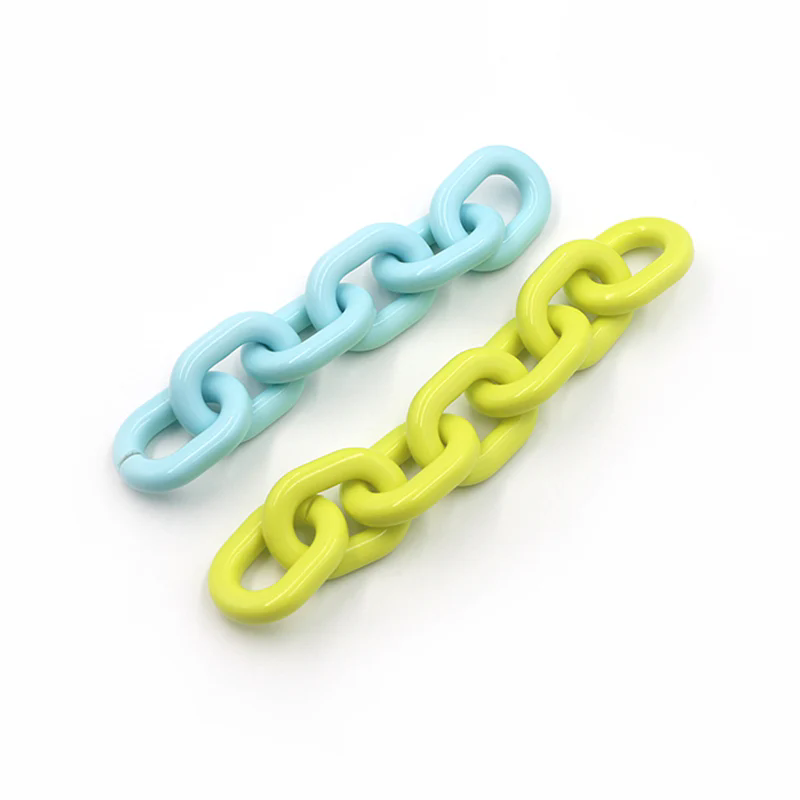
In daily life and industrial management, the key ring is one of the most inconspicuous yet indispensable small items. A single key, an access card, a USB drive—the secure connection of these everyday carry items all depends on a small metal ring. However, the seemingly simple key ring's structural design, material selection, and proper usage directly affect item security, accessibility, and service life. The practicality of a key ring rests on four pillars: structural design, material and workmanship, correct selection, and routine maintenance.
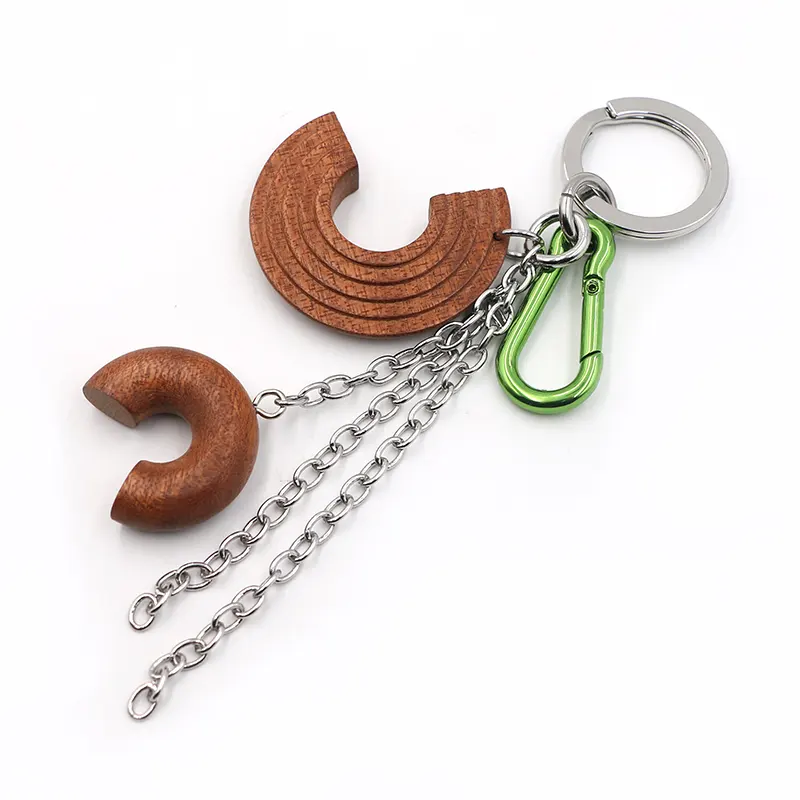
Many people assume a key ring is simply a piece of wire bent into a circle. In reality, its structural design directly impacts user experience and security:
Single-loop Spring Type: The most common standard key ring. The wire forms 1–2 loops, relying on the metal's elastic tension and the offset of the split ends to grip keys. The advantage is simple construction and low cost; the drawback is that elasticity diminishes after repeated loading and unloading, making keys prone to slipping off.
Double-loop Interlocking Type: Composed of two mutually nested rings that open and close through rotational offset. This design offers superior security—keys are unlikely to come off accidentally—but loading and unloading require some technique.
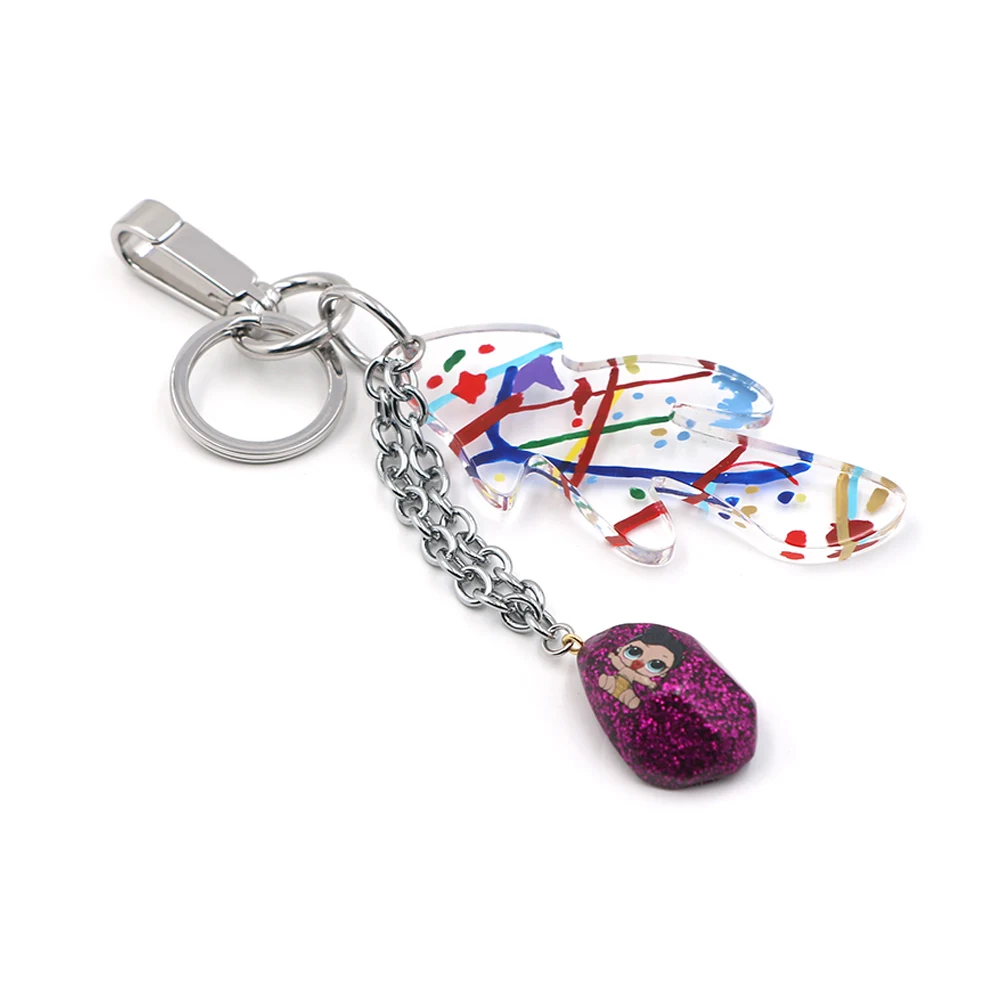
Split Ring with Clasp: Adds an openable clasp (similar to a carabiner) to the traditional spring ring. Keys can be removed without taking the entire ring apart—simply open the clasp. Ideal for scenarios where individual keys need frequent access.
Spiral / Coil Type: Wire wound in a helix, allowing keys to be inserted and removed through rotational expansion and contraction. This design accommodates more keys, but the spiral structure is prone to permanent deformation from over-stretching.
To help you compare at a glance, here is a summary of the four mainstream structures:
| Structure Type | Security | Loading Convenience | Best Use Case |
|---|---|---|---|
| Single-loop Spring | Moderate | Easy | Household keys, everyday carry |
| Double-loop Interlocking | High | Moderate | Industrial keys, key management boards |
| Split Ring with Clasp | High | Convenient | Car keys, frequently accessed keys |
| Spiral / Coil | Moderate | Complex | Multi-key storage (10+ keys) |
The material and surface finish of a key ring directly affect its strength, corrosion resistance, and tactile feel:
| Material | Strength | Corrosion Resistance | Elastic Recovery | Typical Application |
|---|---|---|---|---|
| Stainless Steel 304 | Good | Excellent | Good | Everyday key rings, outdoor use |
| Stainless Steel 316 | Good | Outstanding | Good | Marine environments, chemical sites |
| Zinc-plated Steel | High | Moderate | Good | Budget key rings |
| Copper Alloy | Moderate | Moderate | Good | Decorative key rings |
| Titanium Alloy | Very High | Outstanding | Excellent | Premium EDC (Everyday Carry) gear |
Polished: Smooth surface, comfortable feel, but prone to fingerprints.
Brushed: Matte texture, better scratch resistance.
Sandblasted / Bead-blasted: Uniform matte surface, non-slip and fingerprint-resistant.
Plated / Coated: Increases wear resistance and aesthetics, but base metal may corrode if coating wears off.
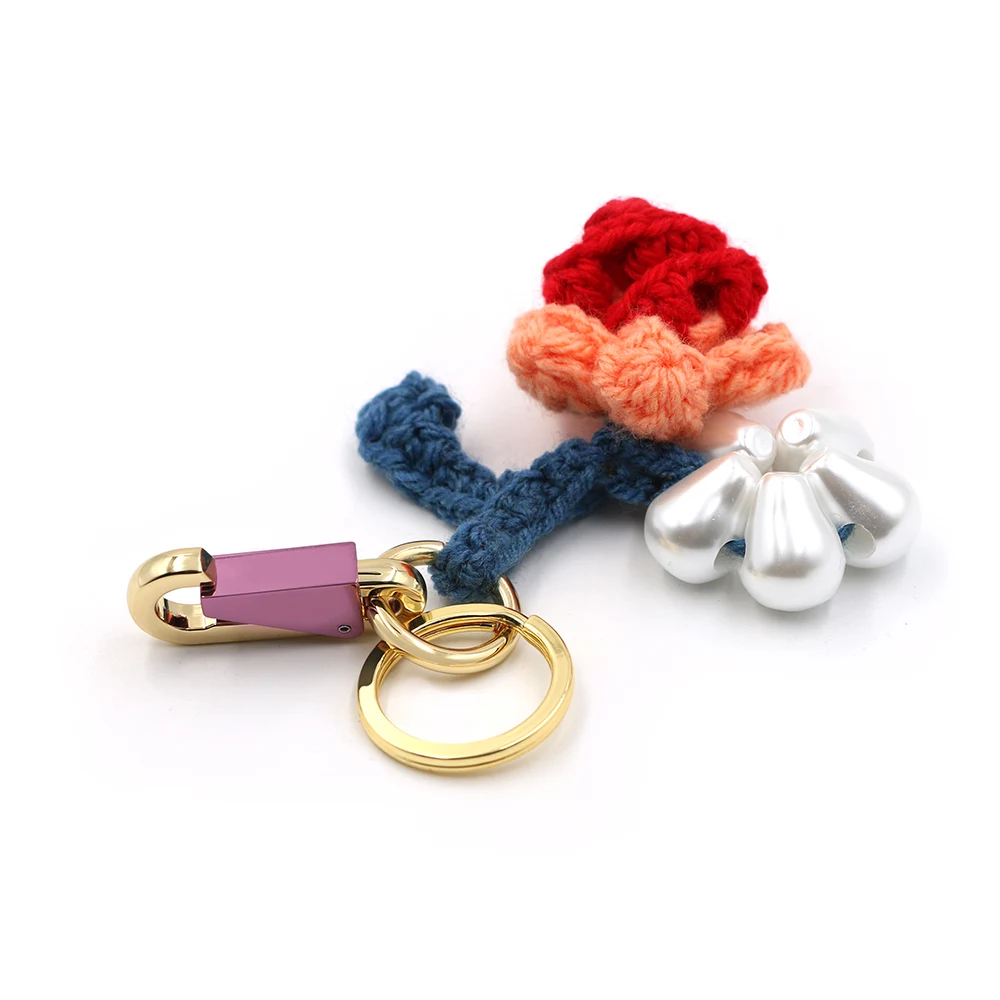
When purchasing, appearance alone is insufficient. Practical selection demands attention to the following core metrics:
Even the best key ring will underperform if used and maintained incorrectly. Follow these practical guidelines:
Regular Split-end Inspection: Check the split-end fit monthly. If a visible gap appears, elasticity has degraded and the key ring should be replaced.
Cleaning: After exposure to sweat or rain, wipe the key ring dry with a cloth. Stainless steel requires no additional maintenance; zinc-plated steel or copper alloy surfaces benefit from periodic application of a light rust-preventive oil.
Avoid Overloading: Exceeding load capacity can cause permanent wire deformation or even breakage. If loading keys becomes increasingly difficult, the ring has stretched and you should consider splitting keys across two rings.
| Issue | Likely Cause | Corrective Action |
|---|---|---|
| Keys frequently fall off | Split-end elasticity lost; wire diameter too thin | Replace key ring; choose thicker wire |
| Key ring deformed (not round) | Overloaded; insufficient material strength | Reduce number of keys; upgrade material (e.g., stainless steel → titanium alloy) |
| Discoloration / rust | Surface coating worn; prolonged sweat exposure | Clean and apply rust-preventive oil; switch to 316 stainless steel |
| Extremely difficult to load/unload | Wire diameter too thick; ring diameter too small | Switch to thinner wire or larger ring diameter |
Key rings have long surpassed the single function of "stringing keys together" and have become an integral part of Everyday Carry (EDC):
| Scenario | Recommended Configuration | Precautions |
|---|---|---|
| Household keys | Single-loop spring, 2.0–2.5 mm wire | Keep to 5 keys max to avoid excessive weight |
| Car keys | Split ring with clasp for easy removal | Avoid friction with other keys that may scratch the car key surface |
| Office / Property management | Double-loop interlocking or key board with numbered tags | Pair with key labels for organized classification |
| Outdoor / Hiking | 316 stainless steel or titanium alloy with quick-release clasp | Can attach whistle, mini flashlight, compass, etc. |
| EDC Everyday Carry | Titanium alloy or high-strength stainless steel with multi-function carabiner | Can combine with multi-tool, USB drive, mini pen, etc. |
The practicality of a key ring extends far beyond "tying keys together." It begins with accurately assessing the type and quantity of items to be carried, continues through scientific selection based on material, wire diameter, and structure type, and culminates in correct loading methods and regular maintenance checks. A small metal ring carries not just keys themselves, but the convenience and peace of mind of daily mobility.
When you pick up a key ring, approach it with the mindset of an engineer—pay attention to structure, material, and operational details. It is this attention to detail that ensures this humble little item never lets you down at the critical moment.